
Discover Białystok: A Journey Through Culture, History and Nature [Współpraca reklamowa]
Welcome to our new series, where we embark on a captivating journey to uncover the charm, history, and vibrant spirit of Białystok - the capital of Podlasie and a gem of northeastern Poland. This city, though sometimes overlooked by travelers in favor of Poland’s more popular tourist destinations, holds countless treasures for those willing to explore. Over the next few weeks, we invite you to join us as we delve into the heart of Białystok’s most important tourist attractions, its rich history, multicultural influences, stunning natural landscapes, and delightful cuisine.

Białystok has a unique character, born from its long history as a cultural melting pot, where the influences of many nations and ethnicities blend seamlessly. Situated near the borders of Belarus and Lithuania, Białystok’s story is intertwined with the histories of these neighboring regions, making it one of the most fascinating cities in Poland. Today, it stands as a testament to resilience, creativity, and the harmonious coexistence of various traditions and faiths.
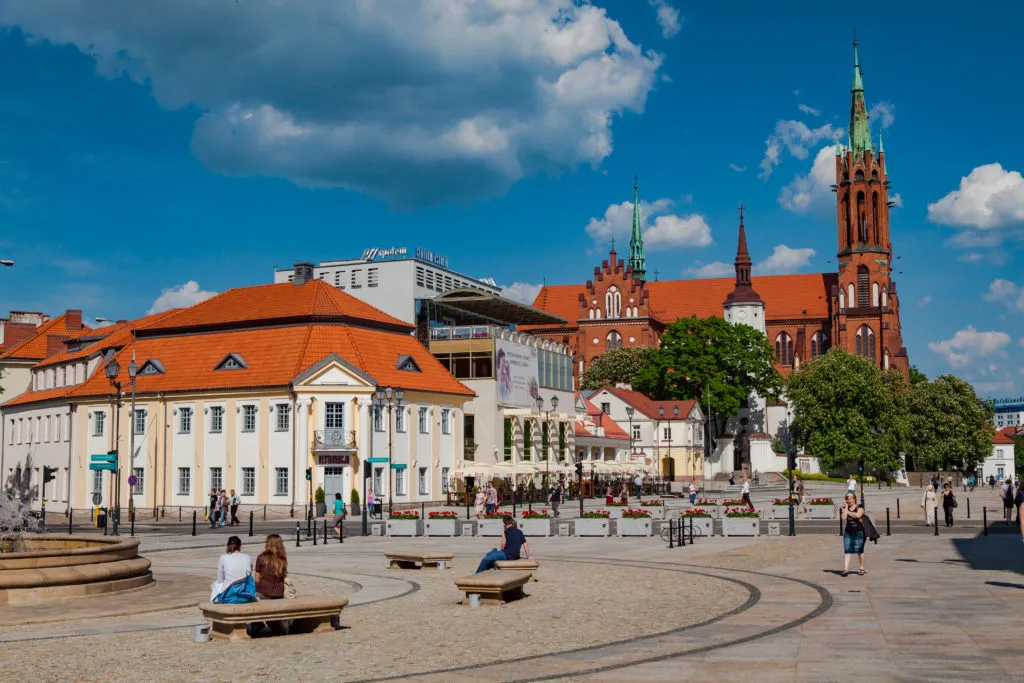 Rynek Kościuszki fot. fotopolska.pot.gov.pl
Throughout this series, we will take you on a tour through the city’s most iconic landmarks, introduce you to the region’s most beautiful natural sites, and guide you through the delicious and diverse cuisine of Podlasie. Whether you are a history enthusiast, nature lover, or someone with a passion for culture and food, Białystok has something special in store for you. Our posts will offer in-depth descriptions, travel tips, and insights into the unique features that make this city and its surrounding areas so compelling.
Here’s a preview of what you can expect in the upcoming articles:
1. Historical Landmarks: A Glimpse into Białystok’s Past
Our journey will begin with a look at Białystok’s historical landmarks. Białystok may be a modern and forward-looking city today, but its streets, buildings, and monuments tell the story of a past filled with grandeur, turmoil, and resilience. The crown jewel of Białystok’s architecture is the Branicki Palace, often referred to as the "Polish Versailles". This Baroque masterpiece, with its sprawling gardens and elegant interiors, once belonged to one of Poland’s most powerful noble families and is now one of the city’s most visited attractions.
But Białystok’s historical narrative goes beyond aristocratic opulence. We’ll explore other significant landmarks, such as the Old Market Square, the Cathedral Basilica, and remnants of the city’s historical fortifications. Each of these places bears witness to Białystok’s complex history, from its early days as a small settlement to its development into a bustling trade center and, eventually, a key regional hub.
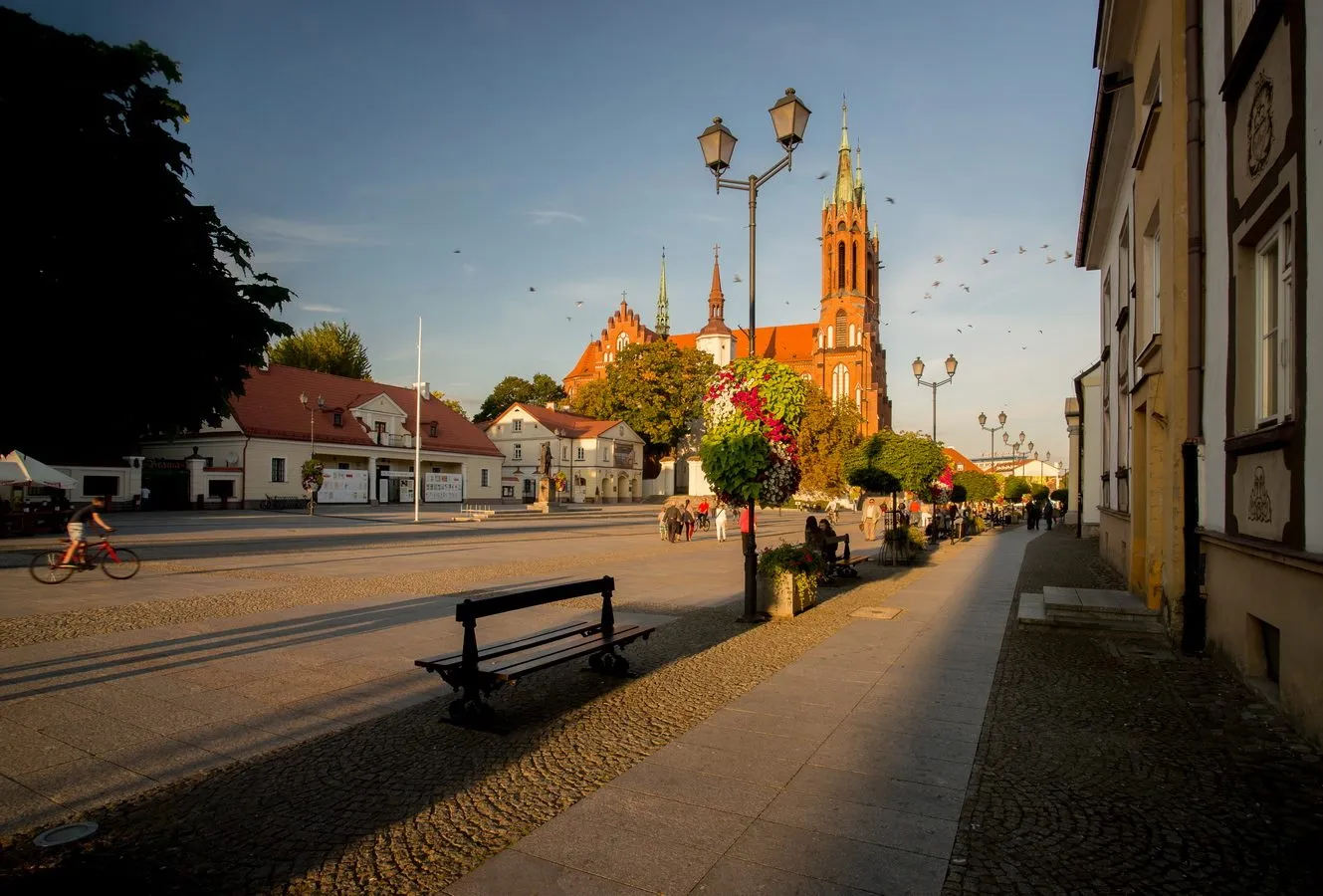
Bazylika fot. Paweł Tadejko
In this first article, we will guide you through the architectural and historical highlights that define Białystok’s skyline, offering fascinating insights into the events and people that shaped the city. Whether you’re fascinated by Baroque art, interested in Poland’s royal history, or simply looking for beautiful places to explore, this article will give you a comprehensive introduction to Białystok’s historical core.
2. Białystok’s Multicultural Roots: A City of Many Nations
Białystok’s unique geographical location has long made it a crossroads of cultures, where Poles, Belarusians, Lithuanians, Jews, and Tatars have lived side by side for centuries. This multicultural heritage is deeply embedded in the city’s identity, and our second article will focus on Białystok’s diverse cultural roots.
We’ll visit sites like the Great Synagogue Memorial, which stands as a reminder of the once-thriving Jewish community that was tragically decimated during World War II. We’ll also explore the city’s connections to the Tatar Muslim community and the influences they brought to both the culture and cuisine of the region.
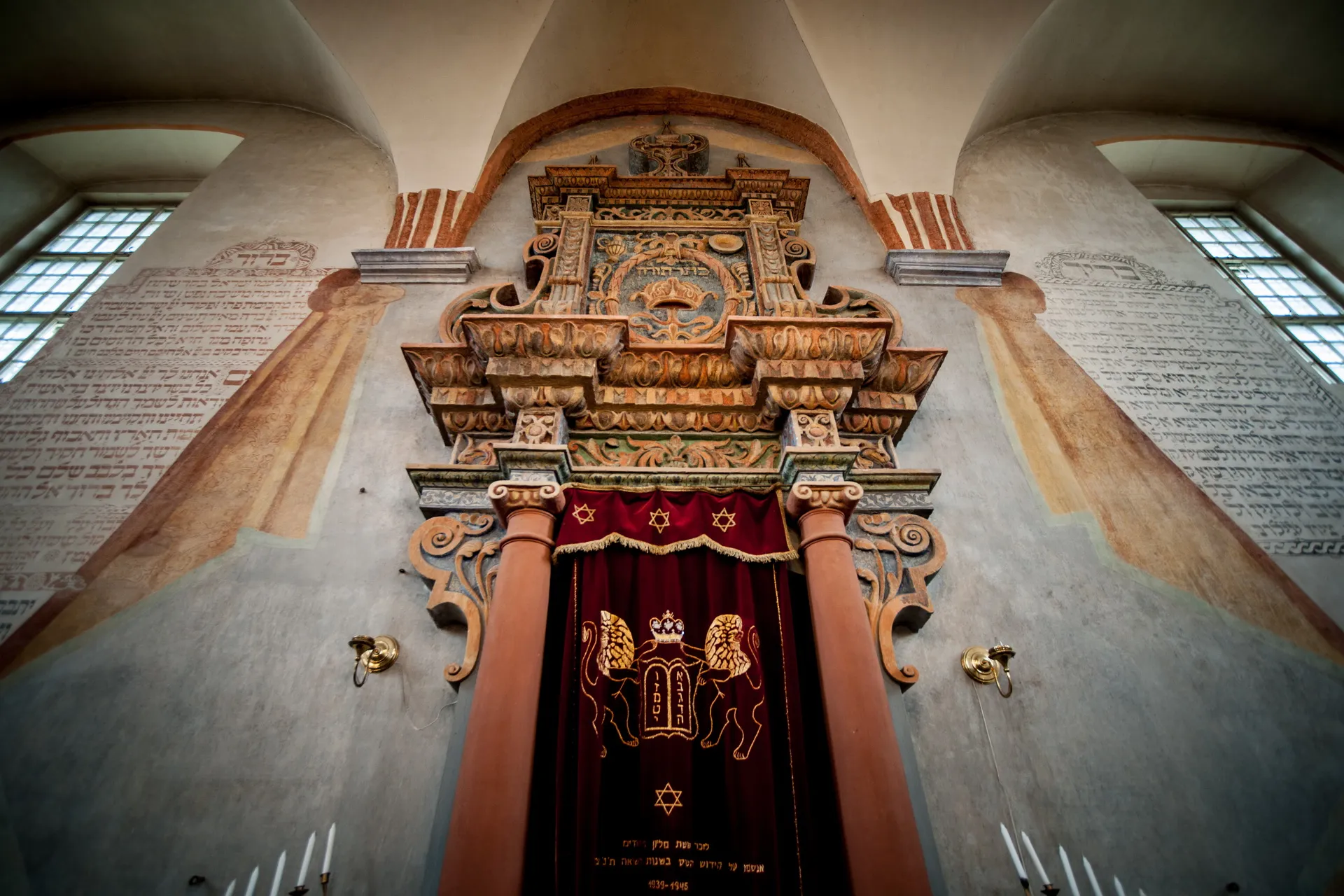 Wielka Synagoga w Tykocinie fot. Paweł Tadejko
Białystok is also home to many Orthodox Christian churches, such as the St. Nicholas Orthodox Cathedral, whose domes and intricate frescoes reflect the strong presence of the Belarusian and Russian communities in the city. This multicultural coexistence of religions and ethnic groups is what gives Białystok its distinctive character, and we’ll delve into how this diversity is still felt in the city today—through architecture, festivals, and the everyday lives of its residents.
Join us as we uncover the fascinating stories of Białystok’s multicultural past and present, exploring how these various influences have shaped its development and continue to enrich its cultural life.
3. The Natural Beauty of Podlasie: Białystok’s Green Heart
Next, we’ll venture beyond the city’s boundaries to explore the natural beauty that surrounds Białystok. Located in the heart of the Podlasie region, Białystok is the perfect base for nature lovers looking to experience Poland’s most pristine wilderness areas. From the famous Białowieża Forest, one of Europe’s last primeval forests and home to the endangered European bison, to the tranquil waters of the Narew River National Park, Białystok is a gateway to some of Poland’s most breathtaking natural landscapes.
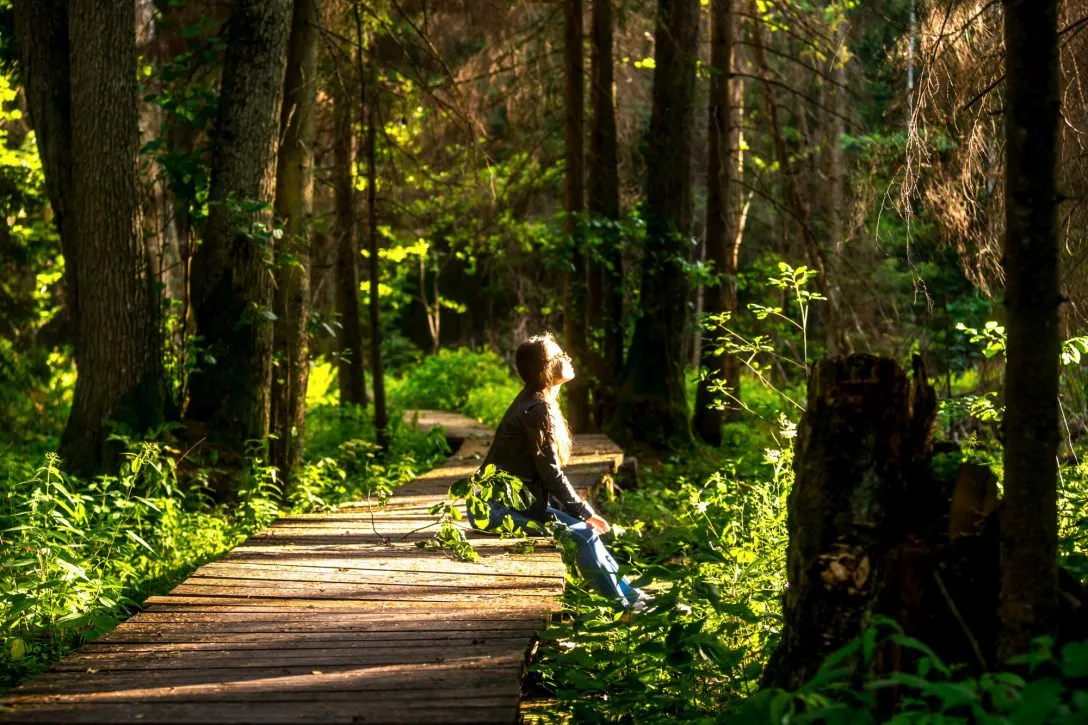
Puszcza Knyszyńska fot. Paweł Tadejko
Within the city itself, Białystok is known for its lush green spaces, such as Planty Park and Zwierzyniec Park, which provide locals and visitors alike with opportunities for relaxation and recreation. In this article, we’ll guide you through the best natural attractions in and around the city, highlighting the unique flora and fauna of the region and offering tips for outdoor activities such as hiking, kayaking, and birdwatching.
For anyone who appreciates the beauty of nature and the peace it brings, this part of the series will showcase why Podlasie is considered one of the most ecologically rich and serene regions in Poland.
4. Podlasie’s Culinary Delights: A Feast for the Senses
Food is an essential part of any travel experience, and in this article, we’ll dive into the rich culinary traditions of Podlasie, of which Białystok is the culinary capital. The cuisine here is a flavorful fusion of Polish, Lithuanian, Belarusian, and Tatar influences, creating dishes that are hearty, rustic, and full of character.
We’ll introduce you to traditional Podlasie dishes like kartacze (meat-filled potato dumplings), babka ziemniaczana (potato cake), and kiszka ziemniaczana (potato sausage), which are beloved comfort foods in this part of Poland. For dessert, we’ll tempt you with the region’s famous sękacz, a spiked, layered cake baked over an open fire, often served at special occasions and celebrations.

Kiszka ziemniaczana fot. visit.podlaskie.eu
Beyond the local specialties, we’ll also explore how Białystok’s multicultural heritage is reflected in its cuisine. Tatar influences can be found in dishes like czebureki (fried turnovers) and kibiny (savory pastries), offering a taste of the city’s diverse culinary landscape. In this article, we’ll not only highlight the must-try dishes but also guide you to some of the best places in Białystok to enjoy these local flavors.
5. Museums and Cultural Spaces: A Celebration of Art and History
Białystok is not only a city with a rich history, but it also places a strong emphasis on preserving and celebrating that heritage through its museums and cultural institutions. The city boasts a number of fascinating museums that provide insight into its complex past, from military history to local traditions and contemporary art. Let’s dive deeper into two key cultural spaces that offer a profound understanding of the city’s identity: the Siberia Memorial Museum and the Podlaskie Museum of Folk Culture.
One of the most powerful and moving museums in Białystok is the Siberia Memorial Museum (Muzeum Pamięci Sybiru). This museum is dedicated to the memory of the Poles who were forcibly deported to Siberia and other remote regions of the Soviet Union during the 20th century, particularly during World War II. These deportations, part of Stalin’s repressions, are a tragic chapter in Polish history, and the museum serves as a memorial to those who suffered and perished during this period of exile.
The Siberia Memorial Museum opened in September 2021, and it offers visitors a deeply immersive experience. Through its modern, interactive exhibits, the museum provides a comprehensive history of the Siberian deportations, with a particular focus on the fates of the thousands of Poles deported from the Białystok region. The exhibits combine personal stories, photographs, historical documents, and artifacts, allowing visitors to connect emotionally with the experiences of those who lived through this horrific period.
Walking through the museum, you’ll be struck by the deeply personal narratives of survival, resistance, and hope that emerge from the dark history of Siberian exile. The museum also highlights the importance of remembrance and educates future generations about this painful episode in Poland’s history. It’s a place that fosters reflection on the resilience of the human spirit and the devastating consequences of political oppression.
If you are in Białystok, the Siberia Memorial Museum is a must-visit for anyone interested in Polish history, World War II, or human rights. It stands as both a historical lesson and a tribute to the perseverance of those who survived unimaginable hardship.
Białystok’s rich history isn’t only about the grandeur of aristocratic estates or the tragedies of wartime. It’s also deeply connected to the traditions and everyday lives of the people who have called this region home for centuries. The Podlaskie Museum of Folk Culture (Podlaskie Muzeum Kultury Ludowej) offers a fascinating look into the rural life and traditions of the Podlasie region.
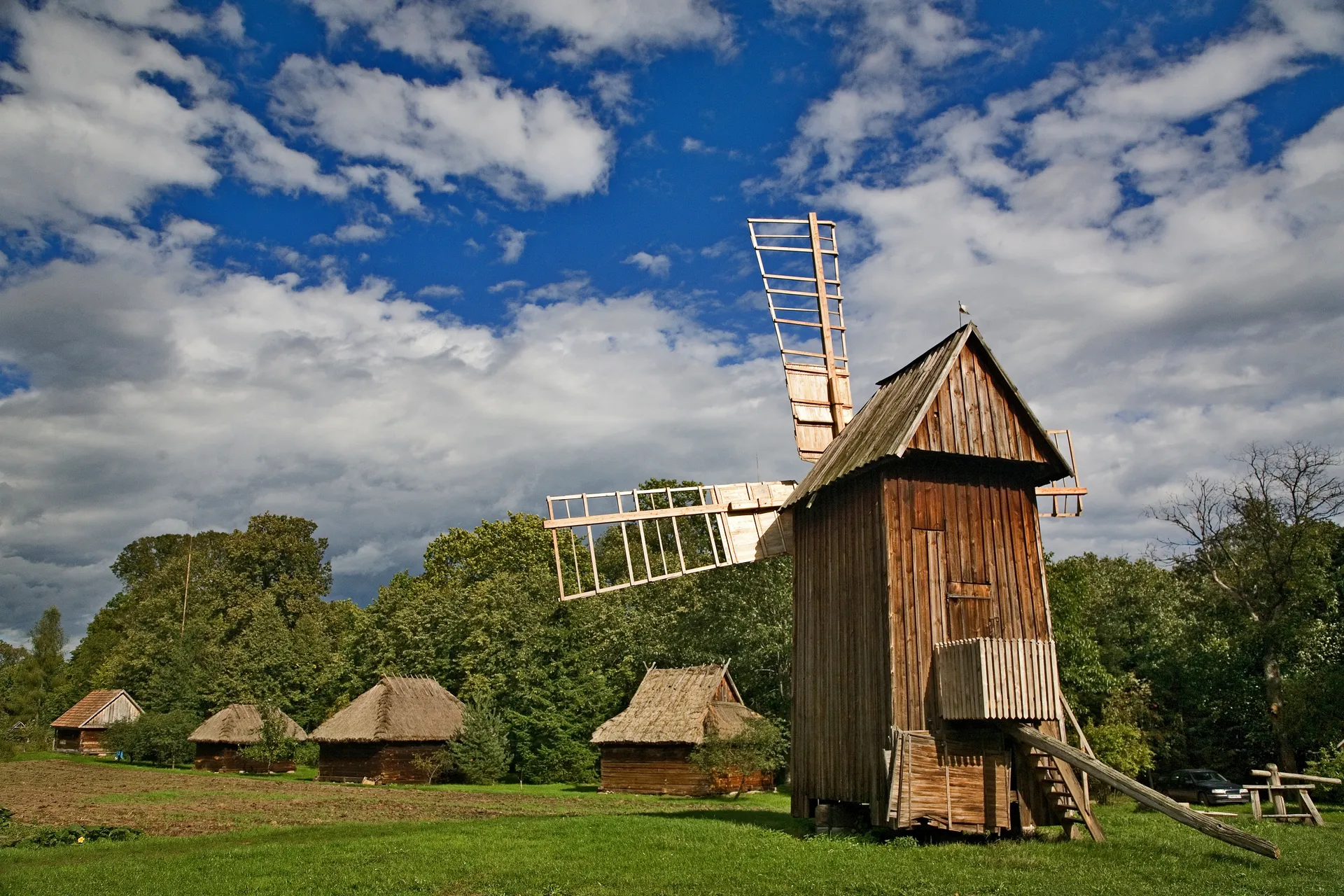 Podlaskie Muzeum Kultury Ludowej fot. visit.podlaskie.eu
Located on the outskirts of Białystok, this open-air museum preserves the heritage of the region’s folk culture through a collection of traditional wooden houses, workshops, and agricultural buildings. These structures have been carefully restored and relocated to the museum grounds, creating a village-like atmosphere that transports visitors back to the 19th and early 20th centuries.
The museum showcases various aspects of traditional Podlasie life, including folk art, rural architecture, and crafts. Visitors can explore old farmhouses, windmills, granaries, and chapels, gaining a deep understanding of how people lived and worked in this part of Poland before the industrial age. The exhibits highlight traditional craftsmanship, such as weaving, pottery, and blacksmithing, offering a glimpse into the skills and techniques passed down through generations.
In addition to its architectural displays, the Podlaskie Museum of Folk Culture hosts regular events and festivals that celebrate regional traditions, including folk music, dance, and culinary heritage. The museum’s ethnographic collection is one of the largest in the region, showcasing the tools, clothing, and everyday objects used by the people of Podlasie over the centuries. This makes the museum a valuable resource for anyone interested in the material culture of the region.
A visit to the Podlaskie Museum of Folk Culture provides a refreshing contrast to the city’s more urban attractions. Here, you can enjoy the serene beauty of the countryside, learn about the simple but rich lives of rural communities, and discover the deep-rooted traditions that continue to influence the culture of Podlasie today.
In addition to these two profound institutions, Białystok offers a range of other cultural venues, such as the Podlasie Museum, Army Museum, and Arsenał Gallery, all of which help to preserve and celebrate the region’s multifaceted history and contemporary creativity. Whether you’re drawn to the poignant history of the Siberian deportations, the rustic charm of Podlasie’s folk traditions, or the vibrant world of contemporary art, Białystok’s cultural spaces offer something for every visitor.
Each museum and gallery contributes to a broader understanding of what makes this city so special—a place where history, culture, and tradition converge in dynamic and meaningful ways. Through these cultural institutions, Białystok ensures that its past is not forgotten, its heritage is celebrated, and its creative future is continually nurtured.